
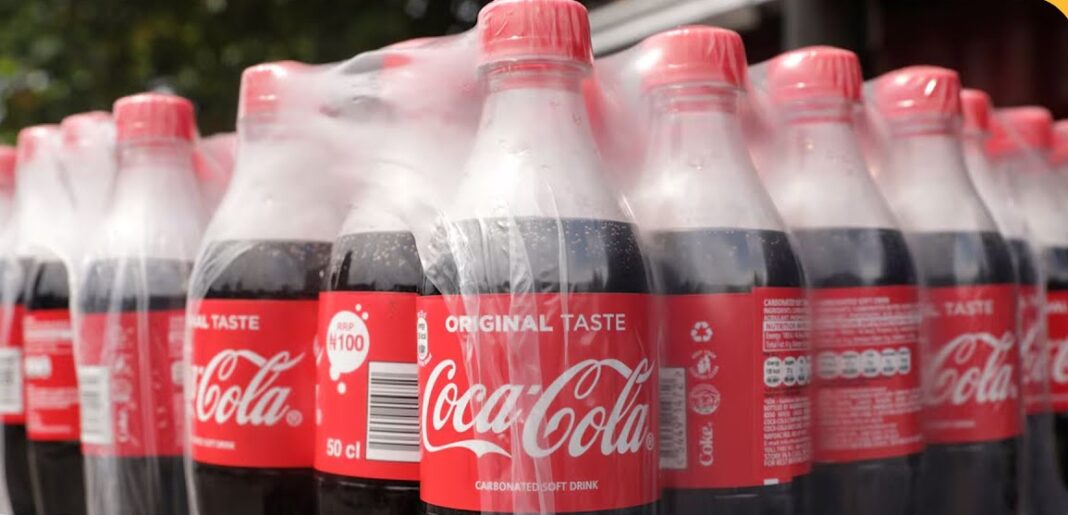
Coca-Cola is reassessing its packaging strategy as the U.S. government prepares to increase aluminum import tariffs from 10% to 25%. The company’s CEO revealed that higher aluminum costs could lead to a greater reliance on plastic bottles or increased beverage prices.
Potential Packaging Changes
If aluminum costs rise, Coca-Cola may:
- Increase plastic packaging to maintain affordability.
- Source more domestic aluminum to offset price hikes.
- Raise product prices to absorb additional costs.
These shifts could affect both consumer pricing and environmental commitments.
Environmental Implications and Criticism
Coca-Cola has made sustainability commitments, opting for more aluminum packaging in recent years due to its 100% recyclability. The company introduced canned options for Dasani and Smartwater, aiming to reduce plastic waste.
However, Greenpeace and other environmental groups have consistently named Coca-Cola as the world’s worst plastic polluter for six consecutive years. A return to increased plastic use could intensify criticism.
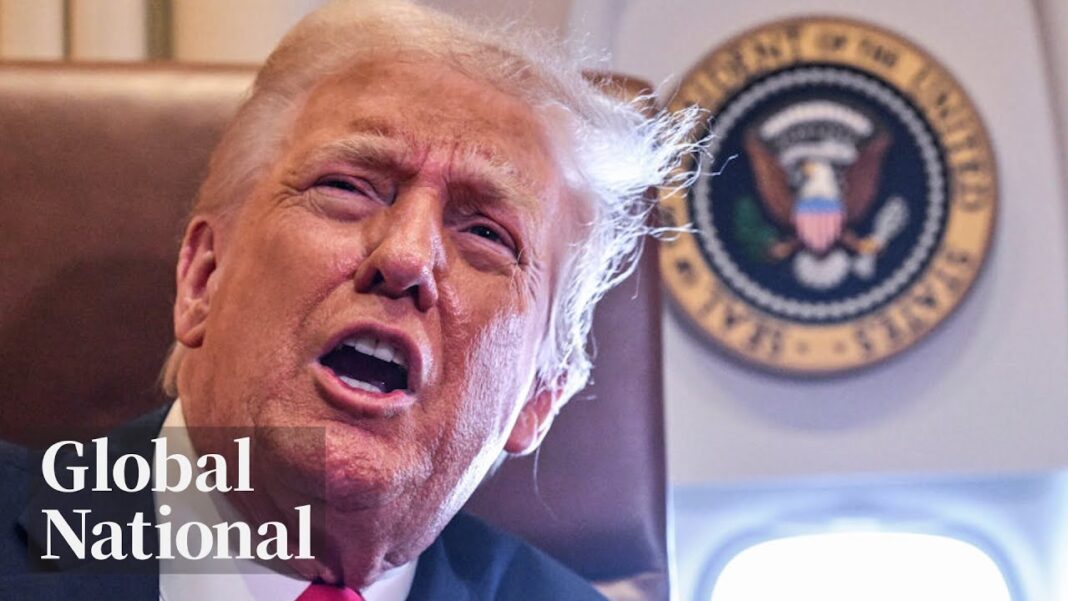
The Impact of Trump’s Tariffs
The new tariffs on aluminum imports are expected to take effect next month. The tariff increase could:
- Raise beverage production costs across the industry.
- Drive packaging changes that impact sustainability goals.
- Lead to potential price hikes for consumers.
Coca-Cola’s CEO stated that the company’s overall cost structure wouldn’t be significantly affected, but packaging adjustments remain an option.
Future Predictions and Strategic Considerations
The company’s response to the tariffs will influence pricing, sustainability, and supply chain management. Key potential outcomes include:
- More plastic packaging, affecting environmental policies and brand reputation.
- Higher beverage prices, passing costs to consumers.
- Alternative sourcing for aluminum, reducing reliance on imports.
- Increased government and industry debate over tariff impacts.
Coca-Cola’s decision will set a precedent for how major beverage companies navigate U.S. trade policy shifts.
Disclaimer
This article is based on publicly available reports and corporate statements. Future policy changes and business decisions may alter the outcomes discussed.

James Patel is an experienced business journalist reporting on mergers, acquisitions, and corporate governance. He has contributed to The Wall Street Journal and Reuters.